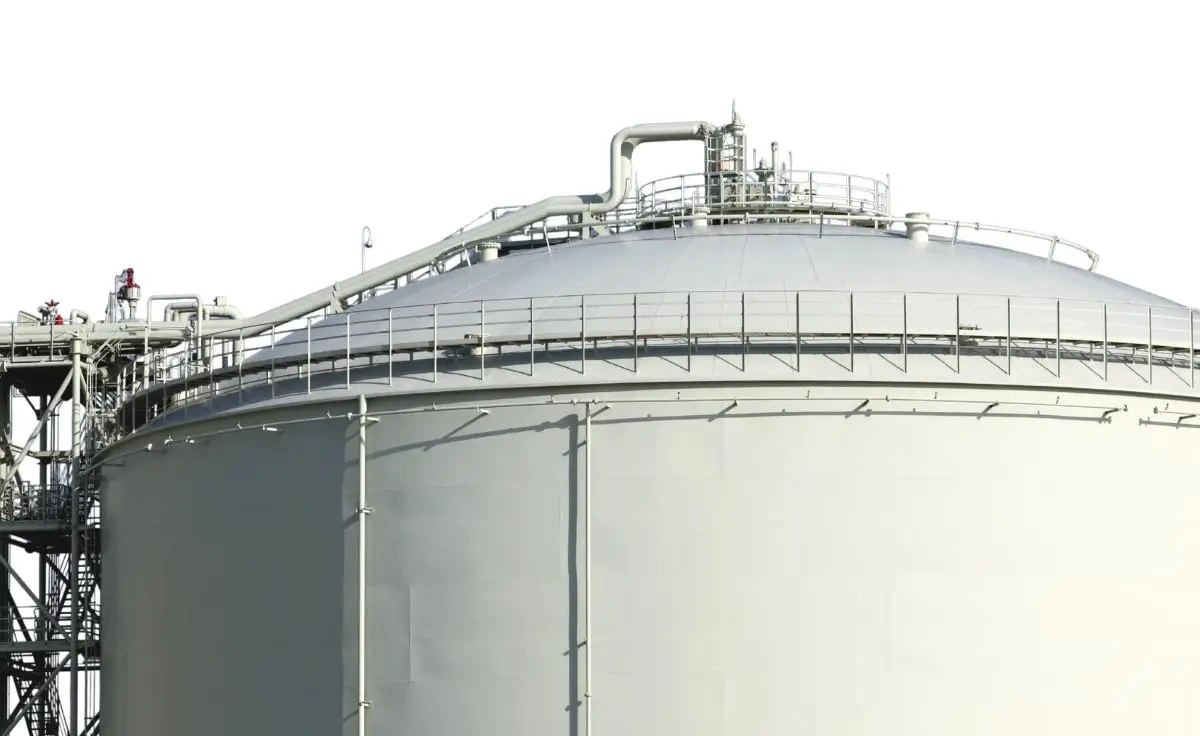
Double Wall Tank Engineering | Dome Roof Air Rising Methodology | LPG Storage Tanks
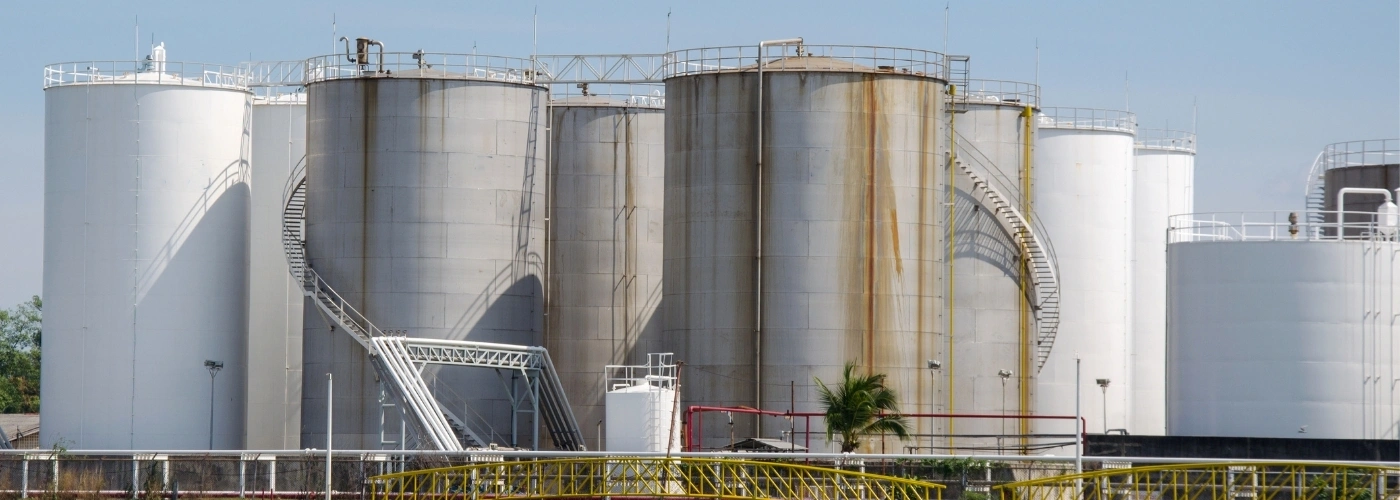
PMech delivered complete engineering design, various specialized engineering analysis, and detailed engineering solutions for double wall storage tanks with fixed dome roofs designed for propane and butane storage (diameter ~75 m and 65 m), as part of a major Oil & Gas expansion project in the Middle East. This scope required high precision, multidisciplinary coordination, and adherence to international standards.
The project required advanced structural modelling, load analysis, and engineering validation, ensuring compliance with API 620, API 625, and AISC 360 standards along with client specifications.
A key highlight of this project was the implementation of the dome roof air rising methodology, supported by simulation-driven engineering using STAAD.Pro and ANSYS, enabling safe, efficient, and execution-ready solutions for large-scale LPG storage tank engineering. This dome roof air rising methodology is also the focus for this case study.
Engineering Scope & Deliverables :
PMech delivered comprehensive multidisciplinary engineering services for storage tank systems, covering detailed design, advanced analysis, and execution support:
Design & Engineering Deliverables :
Advanced Engineering & Analysis Capabilities :
Engineering Approach for Double Wall LPG Storage Tanks :
In large-scale Oil & Gas storage infrastructure, the safe and efficient storage of liquefied gases such as propane and butane is critical. The double wall LPG storage tanks in this project were engineered using advanced finite element modelling (FEM) with ANSYS software and proprietary PMech tools, ensuring high structural integrity and long-term operational reliability.
For this project, PMech carried out a comprehensive analysis covering:
Dome Roof Structure – Load Complexity :
The dome roof structure, widely adopted in industrial storage tank engineering, offers efficient load distribution and structural strength. However, in this project, the dome roof was required to support a significantly large operating platform of approximately 35 m × 17.5 m × 18 m height.
This platform supported pump well systems, large piping and large valves, overhead monorail for lowering the pumps. In addition to Main operating platform, PSV Platform & Walkways are designed on top of Dome roof.
These requirements introduced complex and huge amounts of load transfer challenges on dome roof rafters, necessitating detailed structural analysis and precise engineering validation.
Why Air Rising — and How It Works :
To address the limitations of conventional erection methods - like safety, quality, time and cost impact challenges - the air rising method for dome roof erection was adopted. This method enables the dome roof to be assembled and welded at ground level and then lifted into position using controlled internal air pressure.
Key Engineering Considerations :
Key Advantages :
Key Engineering Challenges & Solutions :
Despite the advantages, the air-rising method introduced three specific challenges that needed to be resolved through analysis before construction began.
1. Centre of Gravity (COG) was Off-Centre :
Due to uneven structural rafter configurations supporting heavy platforms, the centre of gravity (COG) of the dome roof was not aligned with the geometric centre. This created a risk of uneven lifting and structural instability during the air rising process.
Solution :
2. Controlling Radial Lateral Deflection of Dome Roof:
During air rising, radial forces caused by internal air pressure and structural flexibility resulted in lateral deflection of the dome roof, potentially affecting geometry, load distribution, and can prevent proper seating on the tank compression ring region. If uncontrolled, this can lead to permanent deformation or difficulties in welding and sealing the roof to the compression ring.
Solution :
3. Stability After Removal of Temporary Supports:
Removal of temporary supports resulted in displacement exceeding 1000 mm against an available clearance of only 95 mm, posing a significant risk of obstruction.
Solution :
STAAD.Pro Structural Analysis & Validation :
The structural analysis and validation process was carried out using STAAD.Pro, including:
Dome Roof Air Rising Procedure :
The execution of the dome roof air rising methodology followed a structured and controlled process:
Conclusion :
PMech successfully delivered engineering design, structural analysis, and execution support for double wall LPG storage tanks with dome roof structures, overcoming complex challenges associated with the air rising methodology.
The project achieved full compliance with API 620 and API 625 standards, ensuring safety, quality, and structural reliability.
Through advanced structural analysis, simulation-driven engineering, and execution-focused design, PMech demonstrated its expertise in delivering high-performance solutions for Oil & Gas storage infrastructure and industrial tank engineering projects.
Get in Touch :
For EPCM services, storage tank engineering, or to know more about us, visit us at
www.pmecheng.com or write to info@pmecheng.com